What is the International Criminal Court? A Complete Guide
In today’s interconnected world, crimes often transcend borders. From genocide and war crimes to crimes against humanity, some offenses are so serious that they shock the conscience of humanity as a whole. These crimes cannot always be handled by national courts due to political obstacles, weak legal systems, or international implications.
This is where the International Criminal Court (ICC) comes in. Established as a permanent international tribunal, the ICC investigates, prosecutes, and tries individuals accused of committing the gravest crimes under international law.
But what exactly is the ICC? How does it function? And why is it important in maintaining global justice? This article provides a detailed overview of the International Criminal Court, its history, jurisdiction, structure, challenges, and significance.
1. Definition of the International Criminal Court (ICC)
The International Criminal Court (ICC) is the world’s first permanent international tribunal created to prosecute individuals—not states—for the most serious crimes of concern to the international community.
👉 Unlike national courts, which operate under domestic law, the ICC is an independent judicial body established by a treaty known as the Rome Statute, adopted in 1998 and entered into force on July 1, 2002.
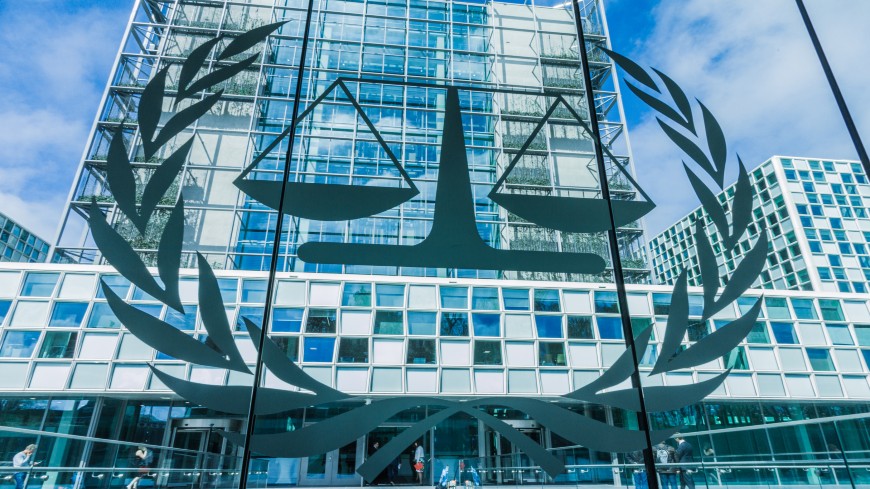
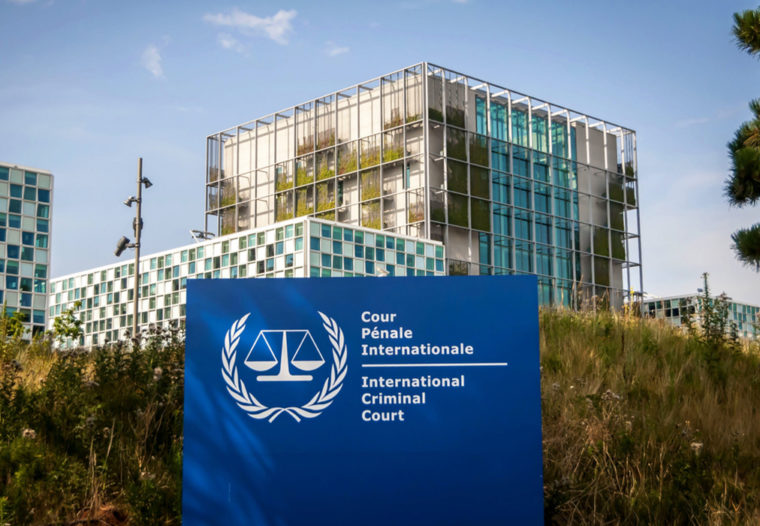
Headquarters: The ICC is based in The Hague, Netherlands, often referred to as the world’s legal capital.
2. Historical Background of the ICC
The establishment of the ICC was the result of decades of discussions and lessons learned from past conflicts.
Nuremberg and Tokyo Tribunals (1945-1948): After World War II, these tribunals prosecuted Nazi and Japanese leaders for war crimes and crimes against humanity. They set the precedent for international criminal justice.
- Ad hoc tribunals in the 1990s: The International Criminal Tribunal for the former Yugoslavia (ICTY) and the International Criminal Tribunal for Rwanda (ICTR) were created by the UN to deal with atrocities in those regions.
- The Rome Statute (1998): Adopted by 120 countries, it laid the foundation for the ICC.
The ICC officially came into force in 2002 with the ratification of the Rome Statute by 60 states.
3. Jurisdiction of the ICC
The ICC has jurisdiction over four main categories of crimes, often referred to as the “core crimes” of international law:
a. Genocide
The intent to destroy, in whole or in part, a national, ethnic, racial, or religious group.
Examples: Mass killings, forced sterilization, or transferring children from one group to another.
b. Crimes Against Humanity
Widespread or systematic attacks directed against civilians.
Examples: Murder, torture, enslavement, deportation, apartheid, sexual violence.
c. War Crimes
Serious violations of the laws and customs of war.
Examples: Targeting civilians, using prohibited weapons, recruiting child soldiers.
d. Crime of Aggression
Planning or executing acts of aggression by a state that violates the UN Charter.
Examples: Invasions or occupations by armed force without legal justification.
4. Who Can Be Prosecuted by the ICC?
Unlike the International Court of Justice (ICJ), which settles disputes between states, the ICC focuses on individual criminal responsibility.
- Political leaders, military commanders, or other individuals can be prosecuted.
- The ICC does not grant immunity even to heads of state or high-ranking officials.
Example: The ICC issued an arrest warrant against Sudan’s former President Omar al-Bashir for genocide and war crimes in Darfur.

5. Structure of the ICC
The ICC has a well-defined structure to ensure transparency and fairness.
a. The Presidency
- Composed of the President and two Vice-Presidents.
- Responsible for administrative functions and representing the Court.
b. The Judicial Divisions
- Pre-Trial Division – Decides whether cases can proceed.
- Trial Division – Conducts trials and delivers verdicts.
- Appeals Division – Handles appeals against decisions.
c. The Office of the Prosecutor (OTP)
- An independent body responsible for investigating and prosecuting crimes.
- Headed by the Prosecutor, currently Karim A. A. Khan (as of 2025).
d. The Registry
- Provides administrative and legal support to all organs of the Court.
- Responsible for witness protection and victim assistance.
6. How Cases Reach the ICC
The ICC cannot automatically take up any case—it follows specific procedures.
- Referral by a State Party: A country that is part of the Rome Statute can refer a situation.
- Referral by the UN Security Council: The UN can refer cases even if the country involved is not a member of the Rome Statute.
- Prosecutor’s Initiative (Proprio Motu): The ICC Prosecutor can initiate investigations with judicial approval.
7. Relationship Between ICC and National Courts
The ICC operates under the principle of complementarity, which means:
- The ICC is a court of last resort.
- It only steps in if national courts are unable or unwilling to prosecute.
- Priority is always given to domestic justice systems.
8. Member States and Non-Member States
As of today, 123 countries are members of the ICC (States Parties to the Rome Statute).
Notable Member States:
- Most of Europe, Latin America, and Africa.
- Example: France, Germany, South Africa, Japan.
Non-Members:
- United States, Russia, China, and India have not ratified the Rome Statute.
Reasons include concerns over sovereignty, political influence, and fear of prosecution of their nationals.
9. Achievements of the ICC
Since its creation, the ICC has made significant contributions:
Trials and Convictions:
- Convicted Congolese warlord Thomas Lubanga for recruiting child soldiers.
- Convicted Bosco Ntaganda for war crimes in Congo.
Victim Participation:
- Victims can participate in trials and receive reparations.
Global Awareness:
- Raised awareness about accountability for war crimes and crimes against humanity.
10. Criticisms and Challenges
Despite its achievements, the ICC faces major criticisms:
- Selective Justice: Some argue the ICC disproportionately focuses on African nations.
- Limited Enforcement: The ICC relies on states to arrest suspects, and many fugitives remain at large.
- Political Influence: Critics claim powerful nations avoid ICC jurisdiction while weaker states face prosecution.
- Funding Issues: The ICC depends on contributions from member states, which limit its resources.

11. ICC vs ICJ: Key Differences
Many confuse the International Criminal Court (ICC) with the International Court of Justice (ICJ).
| Feature | ICC | ICJ |
|---|---|---|
| Focus | Individual responsibility | State-to-state disputes |
| Crimes handled | Genocide, war crimes, crimes against humanity, aggression | Territorial disputes, treaty violations |
| Membership | 123 states (Rome Statute) | All UN member states |
| Headquarters | The Hague, Netherlands | The Hague, Netherlands |
12. The Future of the ICC
- The ICC continues to evolve in a complex geopolitical landscape.
- Strengthening Cooperation: More states need to support ICC investigations and arrests.
- Expanding Jurisdiction: Calls exist to include crimes like terrorism, environmental destruction, and cybercrimes.
- Building Legitimacy: The ICC must balance justice with fairness to overcome political criticisms.
Conclusion
The International Criminal Court represents a historic step toward global justice. While it faces criticism and limitations, its existence proves that no individual is above the law when it comes to the gravest crimes.
By prosecuting genocide, war crimes, and crimes against humanity, the ICC sends a powerful message: accountability is essential for peace, security, and human dignity worldwide.
As international cooperation strengthens, the ICC could play an even greater role in ensuring that those who commit atrocities are held responsible, no matter where they are or who they are.
FAQs About the International Criminal Court
1. What is the difference between ICC and ICJ?
The ICC prosecutes individuals for serious crimes, while the ICJ settles disputes between states.
2. Who funds the ICC?
The ICC is funded by contributions from member states and voluntary donations.
3. Can the ICC prosecute non-member countries?
Yes, but only if the UN Security Council refers the case or if crimes are committed on the territory of a member state.
4. How many cases has the ICC handled so far?
Since 2002, the ICC has opened dozens of cases, with several convictions, ongoing trials, and pending investigations.
5. Why have some powerful countries not joined the ICC?
Nations like the US, Russia, and China fear the ICC could undermine sovereignty and target their military or political leaders.