Law and Order in the United Kingdom: A Complete Guide (2025)
The United Kingdom (UK) has one of the most influential legal traditions in the world. Rooted in centuries of history, law and order in the UK continues to balance the rule of law, civil rights, and public safety while adapting to modern challenges such as cybercrime, terrorism, and immigration.
This guide provides a detailed overview of law and order in the United Kingdom, covering the legal system, policing, criminal and civil law, courts, human rights, challenges, and future reforms shaping justice in 2025.
Understanding the UK Legal System
The UK legal system is widely respected and forms the foundation for many common law systems worldwide, including those in Canada, Australia, and the United States.
Key Features of the UK Legal System
- Unwritten Constitution – Unlike the U.S., the UK does not have a single written constitution but relies on statutes, conventions, judicial decisions, and treaties.
- Common Law Tradition – Laws are built upon judicial precedents.
- Parliamentary Sovereignty – Parliament is the supreme legal authority.
- Separation of Powers – Authority is divided between the executive, legislative, and judiciary.
- Rule of Law – Everyone, including the government, is subject to the law.
- Human Rights Act 1998 – Incorporates the European Convention on Human Rights (ECHR) into UK law.
Law Enforcement in the United Kingdom
The UK’s policing system is decentralized but guided by national frameworks.
1. Police Forces in England and Wales
- There are 43 territorial police forces in England and Wales.
- Each force is headed by a Chief Constable, with the Metropolitan Police Service (Met Police) in London being the largest.
- Police and Crime Commissioners (PCCs) oversee budgets and strategies.
2. Scotland
- Scotland has a single national force, Police Scotland, which was formed in 2013.
- It handles all policing across the country, overseen by the Scottish Police Authority.
3. Northern Ireland
- Policing is handled by the Police Service of Northern Ireland (PSNI).
- Oversight is conducted by the Northern Ireland Policing Board, ensuring accountability.
4. Specialized National Agencies
- National Crime Agency (NCA) – Tackles organized crime, cybercrime, human trafficking, and drug smuggling.
- British Transport Police – Provides security on railways and transport networks.
- Counter Terrorism Policing Network – Works with MI5 on terrorism-related threats.

Criminal Law in the United Kingdom
Criminal law in the UK varies slightly between England and Wales, Scotland, and Northern Ireland, but overall, it ensures public order and safety.
Categories of Criminal Offenses
- Summary Offenses – Minor crimes (e.g., traffic violations, minor assaults).
- Either-Way Offenses – Can be tried in Magistrates’ Court or Crown Court (e.g., theft, burglary).
- Indictable Offenses – Serious crimes like murder, rape, and armed robbery.
Common Areas of Criminal Law
- Violent Crime – Assault, homicide, domestic violence.
- Property Crime – Theft, burglary, vandalism, fraud.
- Drug Crime – Possession, trafficking, and production.
- Cybercrime – Online fraud, hacking, data theft.
- Terrorism – Controlled under acts such as the Terrorism Act 2000.
Civil Law in the United Kingdom
Civil law handles disputes between individuals and organizations.
Main Types of Civil Law
- Contract Law – Disputes over agreements and obligations.
- Tort Law – Negligence, defamation, and personal injury.
- Family Law – Divorce, custody, adoption, and domestic relations.
- Employment Law – Workplace discrimination, unfair dismissal.
- Property Law – Landlord-tenant issues, ownership disputes.
- Commercial Law – Corporate compliance, intellectual property, trade disputes.

The Court System in the United Kingdom
The UK operates with a hierarchical court system, with slight variations across England, Wales, Scotland, and Northern Ireland.
1. England and Wales
- Magistrates’ Courts – Handle minor criminal cases and preliminary hearings.
- Crown Court – Deals with serious criminal offenses.
- County Courts – Handle civil cases such as family disputes and contracts.
- High Court of Justice – Divided into three divisions: Queen’s Bench, Chancery, and Family.
- Court of Appeal – Hears appeals from lower courts.
- Supreme Court of the UK – Final court of appeal for all UK civil cases and criminal cases from England, Wales, and Northern Ireland.
2. Scotland
- Sheriff Courts – Handle both civil and criminal matters.
- High Court of Justiciary – Scotland’s supreme criminal court.
- Court of Session – Scotland’s highest civil court.
3. Northern Ireland
- Magistrates’ Courts and Crown Courts operate similarly to those in England and Wales.
- Appeals go to the Court of Appeal in Northern Ireland, with final appeals reaching the UK Supreme Court.
Human Rights and Civil Liberties in the UK
The Human Rights Act 1998 ensures that citizens enjoy rights enshrined in the European Convention on Human Rights (ECHR).
Key Rights Protected
- Right to life.
- Freedom of expression.
- Right to a fair trial.
- Right to privacy.
- Protection from discrimination.
- Freedom of assembly and association.
Civil Liberties Safeguards
- Equality Act 2010 – Protects against discrimination in workplaces and services.
- Freedom of Information Act 2000 – Promotes transparency in government.

Law and Order Challenges in the UK
While the UK legal system is robust, it faces modern challenges.
1. Terrorism
- The UK has been a target of both international and domestic terrorism.
- Counterterrorism laws are among the strictest in Europe.
2. Knife Crime and Gang Violence
- Urban areas like London face rising knife-related offenses.
- Community policing and preventive programs aim to reduce youth crime.
3. Cybercrime
- Fraud, hacking, and online scams have increased significantly.
- The NCA leads national efforts against cyber threats.
4. Immigration and Asylum
- Border security and immigration policies remain politically sensitive.
- The government is balancing humanitarian obligations with public concerns.
5. Prison Overcrowding
- The UK prison system struggles with overcrowding, rehabilitation, and reoffending rates.
6. Policing Trust
- High-profile cases involving police conduct have raised concerns about accountability and transparency.
Reforms and Trends in UK Law and Order (2025)
- Digital Courts – Increased use of virtual hearings and AI tools in legal research.
- Community Policing – Stronger engagement between police and communities to build trust.
- Sentencing Reforms – Focus on rehabilitation over incarceration.
- Knife Crime Initiatives – Expansion of education and awareness campaigns.
- Stronger Cybersecurity Laws – Adapting to growing online threats.
- Brexit Implications – Adjustments in immigration and international legal cooperation.

Careers in Law and Order in the UK
Becoming a Lawyer
Complete a law degree (LLB) or a conversion course (Graduate Diploma in Law).
- Choose between the solicitor and barrister pathways.
- Solicitors – Provide legal advice and represent clients in lower courts.
- Barristers – Specialize in advocacy and higher court representation.
- Qualify through the Solicitors Qualifying Exam (SQE) or Bar Training Course.
Careers in Law Enforcement
- Join local police forces, Police Scotland, PSNI, or specialized national agencies.
- Opportunities in counterterrorism, cybercrime, fraud investigation, and community policing.
Other Professions
- Judges, paralegals, probation officers, prison officers, forensic experts, and academics.
Law and Order in UK Culture
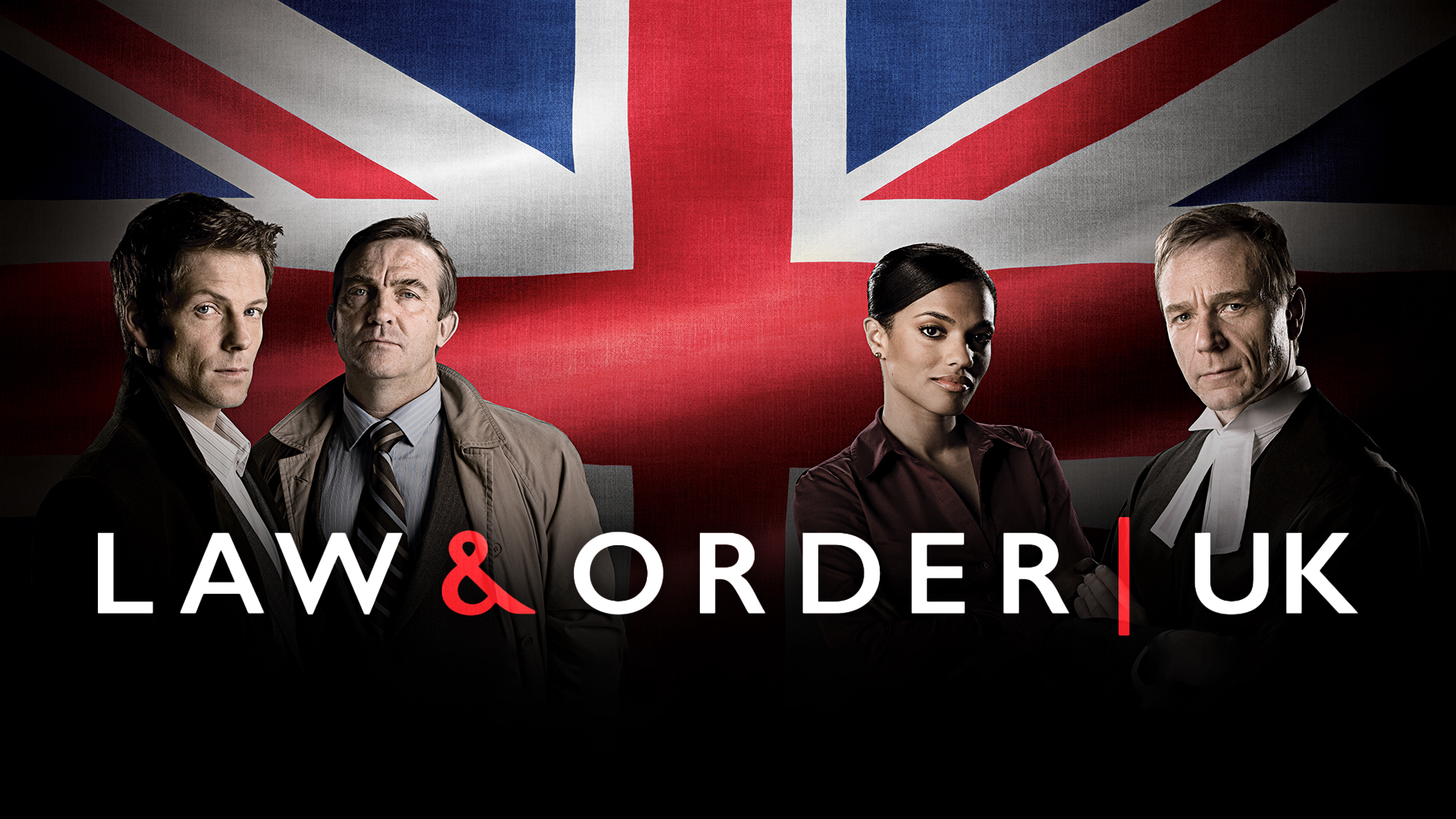
- The UK prides itself on being a nation of laws, with centuries-old traditions shaping modern practices.
- Legal dramas, public inquiries, and debates over justice reform remain part of everyday discourse.
- Policing and legal systems are often discussed in connection with social justice, rights, and public trust.
Conclusion
The United Kingdom’s law and order system is one of the most respected in the world, rooted in centuries of common law traditions and continuously adapting to modern challenges. With its decentralized policing, complex court structures, and strong human rights protections, the UK balances justice, accountability, and public safety.
As of 2025, pressing issues such as terrorism, knife crime, cybercrime, prison reform, and policing accountability remain central to legal and political debates. However, through reforms, modernization, and commitment to human rights, the UK continues to uphold its reputation as a global leader in justice and governance.