A comprehensive review of the laws of Bangladesh
Bangladesh is a South Asian nation with a rich legal heritage shaped by its colonial past, cultural diversity, and democratic values. Since its independence in 1971, the country has developed a comprehensive legal framework that governs civil, criminal, constitutional, and commercial matters.
Understanding the laws of Bangladesh is essential not only for citizens but also for businesses, legal professionals, and foreigners living or working in the country. In this guide, we’ll explore the legal system, major laws, courts, rights, and enforcement mechanisms that define the rule of law in Bangladesh.
The Legal System of Bangladesh
The legal system of Bangladesh is based on the common law tradition, inherited from British colonial rule. However, it also incorporates Islamic law in personal matters and codified laws passed by the parliament.
Key Features:
- Written Constitution (since 1972) is the supreme law of the land.
- Parliamentary democracy where laws are made by the Jatiya Sangsad (National Parliament).
- Judicial independence ensures fair interpretation of laws.
- Codified statutes govern civil, criminal, and commercial issues.
The Constitution of Bangladesh
The Constitution of the People’s Republic of Bangladesh was adopted on November 4, 1972, and came into effect on December 16, 1972.
Core Principles:
- Democracy – People are the source of all power.
- Nationalism – Preservation of Bangladeshi identity.
- Socialism – Commitment to social and economic equality.
- Secularism – Freedom of religion and equal rights for all faiths.
👉 The Constitution guarantees fundamental rights such as:
- Right to equality before the law.
- Freedom of speech, assembly, and movement.
- Right to life and personal liberty.
- Protection against discrimination.
Sources of Law in Bangladesh
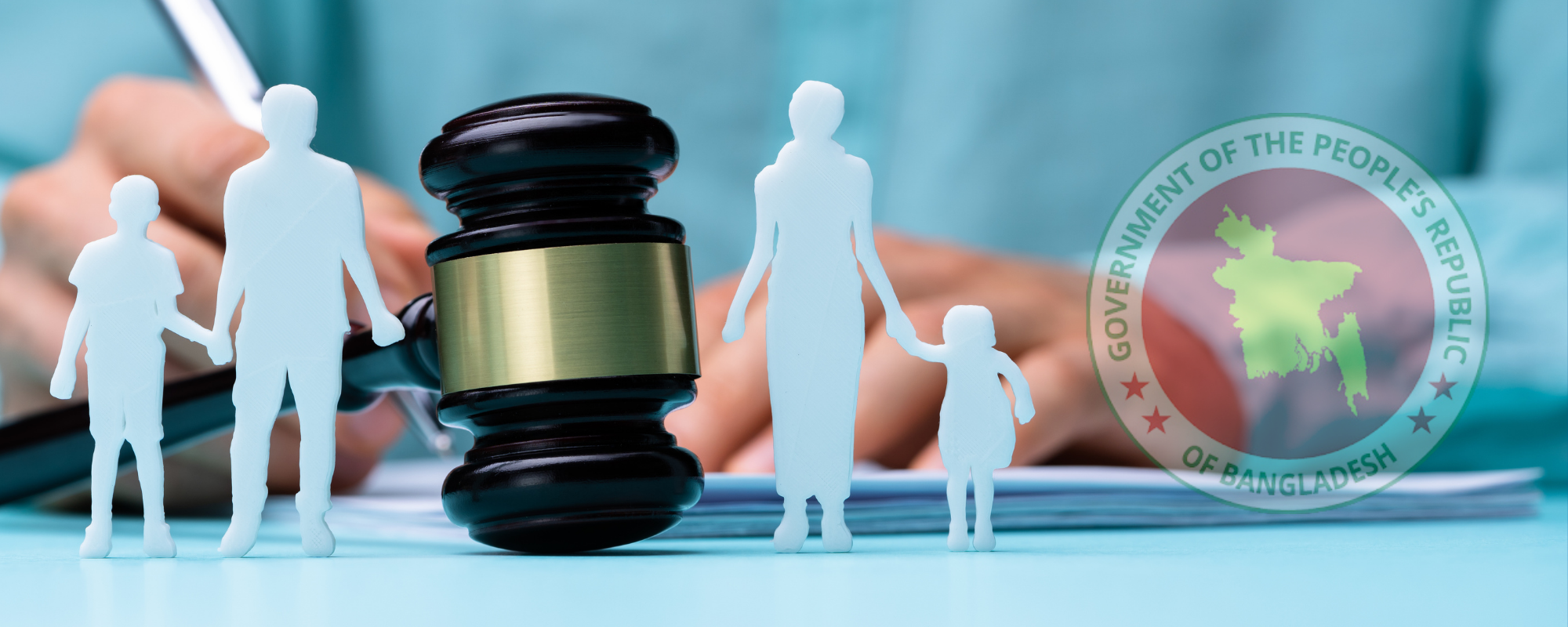
The laws of Bangladesh come from multiple sources:
- The Constitution – Supreme authority.
- Legislation – Acts passed by the National Parliament.
- English Common Law – Precedents and doctrines still influence judgments.
- Judicial Decisions – Case law from the Supreme Court.
- Customary & Religious Laws – Personal matters like marriage, divorce, and inheritance.
Branches of Law in Bangladesh
Bangladesh has several major categories of law:
a. Criminal Law
- Governed primarily by the Penal Code of 1860.
- Covers theft, murder, assault, fraud, cybercrimes, etc.
- Criminal Procedure Code (CrPC) and the Evidence Act regulate investigations and trials.
b. Civil Law
- Deals with disputes between individuals and organizations.
- Includes property disputes, contract law, tort law, and consumer rights.
c. Family and Personal Law
Based on religion:
- Muslim Law: Marriage, divorce, and inheritance under Sharia principles.
- Hindu Law: Marriage, succession, guardianship.
- Christian Law: Governed by the Christian Marriage Act of 1872.
d. Commercial and Corporate Law
- Companies Act 1994 regulates business entities.
- Contract Act 1872 governs agreements.
- Bankruptcy and insolvency laws for businesses.
e. Labor Law
- Bangladesh Labor Act 2006 (amended 2013) ensures workers’ rights, working hours, minimum wage, and workplace safety.
f. Environmental Law
- Bangladesh Environment Conservation Act 1995 governs pollution control, environmental protection, and climate change adaptation.
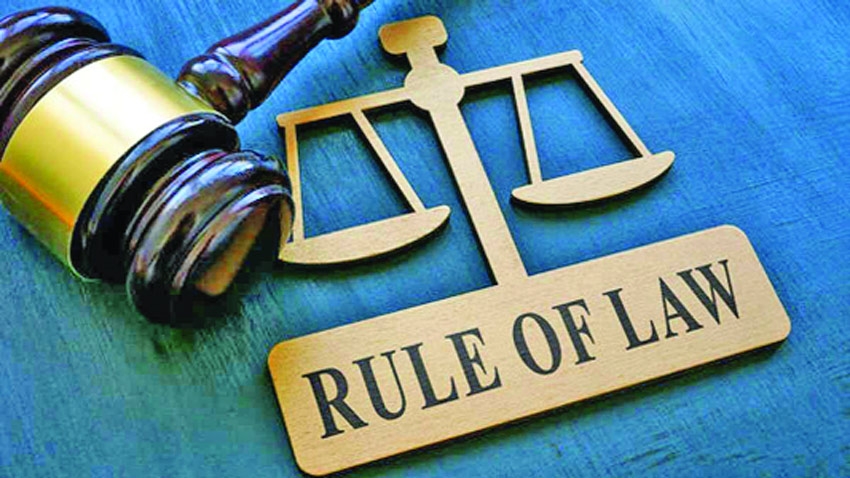
The Court System in Bangladesh
The judiciary in Bangladesh is divided into two main branches:
a. Supreme Court of Bangladesh
The highest court in the country.
Two divisions:
- Appellate Division – Final authority on constitutional and legal matters.
- High Court Division – Hears appeals, writ petitions, and constitutional cases.
b. Subordinate Courts
- District Courts – Handle civil and criminal cases.
- Specialized Courts & Tribunals – Labor courts, family courts, cyber tribunals, anti-corruption tribunals, etc.
👉 The separation of the judiciary from the executive (2007) strengthened judicial independence.
Criminal Justice System
- The criminal justice system in Bangladesh follows due process of law.
- Investigation: Conducted by police or specialized agencies.
- Trial: Conducted in criminal courts with evidence and witnesses.
- Punishment: Includes imprisonment, fines, or, in extreme cases, the death penalty.
Key Institutions:
Police, Rapid Action Battalion (RAB), Anti-Corruption Commission (ACC).
Major Laws of Bangladesh
Here are some of the important laws in force:
- Penal Code 1860 – Criminal offenses.
- Code of Criminal Procedure 1898 – Trial procedures.
- Code of Civil Procedure 1908 – Civil disputes.
- Evidence Act 1872 – Admissibility of evidence.
- Contract Act 1872 – Business agreements.
- Companies Act 1994 – Corporate governance.
- Income Tax Ordinance 1984 – Taxation system.
- Information and Communication Technology (ICT) Act 2006 – Cybercrime laws.
- Digital Security Act 2018 – Online crime and digital privacy.
Human Rights and Fundamental Freedoms
- Bangladesh is committed to human rights protection under its Constitution and international treaties.
- Guarantees freedom of speech, religion, and assembly.
- Protection against arbitrary arrest and detention.
- Rights of minorities and indigenous communities.
- Women’s rights are strengthened by laws against dowry, domestic violence, and workplace harassment.
Business and Investment Laws
- Bangladesh is one of the fastest-growing economies in Asia, and its laws encourage foreign investment and trade.
- Foreign Private Investment Act of 1980 – Protects investments.
- Export Processing Zones (EPZ) Act – Offers tax benefits to investors.
- Intellectual Property Laws – Protect copyrights, patents, and trademarks.
Challenges in the Legal System
Despite progress, the laws of Bangladesh face some challenges:
- Case backlog – Millions of cases pending in courts.
- Corruption in law enforcement and bureaucracy.
- Limited legal awareness among citizens.
- Delays in justice delivery.
The government and NGOs are working to improve legal aid services, the digitization of courts, and judicial reforms.
Access to Justice
To ensure fairness, the government has established:
- National Legal Aid Services Organization (NLASO) – Free legal aid for the poor.
- Alternative Dispute Resolution (ADR) – Mediation to reduce case backlog.
- Online court systems were introduced during the COVID-19 pandemic.
- 12. International Law and Bangladesh
- Bangladesh is a member of the United Nations and adheres to many international treaties.
- Signatory to the Universal Declaration of Human Rights (UDHR).
- Ratified CEDAW, CRC, ICCPR, ICESCR.
Actively involved in climate change negotiations due to vulnerability to rising sea levels.
Conclusion
The laws of Bangladesh reflect a blend of constitutional values, common law traditions, and religious customs. Over the decades, the country has built a strong legal framework that protects rights, regulates businesses, and ensures justice.
While challenges remain, ongoing reforms are aimed at making the system faster, fairer, and more accessible. For citizens, investors, and legal professionals alike, understanding the legal landscape of Bangladesh is key to navigating opportunities and responsibilities in this dynamic nation.