Law and Order in the United States: A Complete Guide for 2025
The United States is a nation built on the principles of democracy, justice, and the rule of law. With one of the most complex legal and policing systems in the world, law and order in the U.S. plays a critical role in shaping daily life, protecting rights, and maintaining national security.
In this article, we explore a detailed overview of law and order in the United States, including the legal system, law enforcement agencies, criminal and civil law, courts, human rights, challenges, and reforms shaping justice in 2025.
Understanding the U.S. Legal System
The United States operates under a federal system, where power is divided between the federal government and the 50 states. This creates a layered legal structure that influences how laws are made and enforced.
Key Features of the U.S. Legal System
- Constitutional Foundation – The U.S. Constitution (1787) is the supreme law of the land.
- Bill of Rights – Guarantees fundamental freedoms, including speech, religion, and due process.
- Federal vs. State Law – States have their own constitutions and laws, but federal law prevails when conflicts arise.
- Common Law Tradition – Laws evolve through judicial precedents.
- Separation of Powers – Divides authority among the executive, legislative, and judicial branches.
- Rule of Law – No one, including government officials, is above the law.
Law Enforcement in the United States
The U.S. has a multi-layered law enforcement system with agencies operating at the federal, state, county, and municipal levels.
1. Federal Law Enforcement Agencies
Key federal agencies include:
- Federal Bureau of Investigation (FBI) – Handles terrorism, cybercrime, organized crime, and major federal offenses.
- Drug Enforcement Administration (DEA) – Focuses on drug trafficking and narcotics laws.
- Bureau of Alcohol, Tobacco, Firearms, and Explosives (ATF) – Enforces laws on firearms, explosives, and arson.
- U.S. Secret Service – Protects the President and investigates financial crimes.
- Department of Homeland Security (DHS) – Manages border control, immigration, and counter-terrorism.
- U.S. Marshals Service – Protects federal courts and apprehends fugitives.
2. State Police and Highway Patrol
- Every state maintains its own police force or highway patrol agency, responsible for enforcing state laws, traffic safety, and assisting local police.
3. County Sheriffs
- Elected officials who oversee county law enforcement and jails.
- Provide policing in rural areas and serve court documents.
4. Municipal Police
- City police departments, such as the NYPD (New York Police Department) or LAPD (Los Angeles Police Department), handle urban crime, traffic enforcement, and community safety.
Criminal Law in the United States
Federal and State Jurisdiction
- Federal Crimes: Terrorism, interstate drug trafficking, mail fraud, tax evasion.
- State Crimes: Murder, burglary, assault, theft (most crimes are prosecuted at the state level).
Types of Criminal Offenses
- Infractions – Minor violations like traffic tickets.
- Misdemeanors – Less serious crimes (shoplifting, DUI).
- Felonies – Serious crimes (murder, armed robbery, drug trafficking).
Areas of Criminal Law
- Violent Crime: Homicide, aggravated assault, domestic violence.
- Property Crime: Theft, burglary, arson, fraud.
- White-Collar Crime: Insider trading, tax fraud, embezzlement.
- Cybercrime: Identity theft, hacking, ransomware.
- Drug Offenses: Vary by state, especially after marijuana legalization in many jurisdictions.
Civil Law in the United States
Civil law deals with disputes between individuals or organizations.
Common Civil Law Areas
- Contracts – Breach of agreements.
- Torts – Personal injury, negligence, product liability.
- Family Law – Divorce, custody, adoption.
- Property Law – Real estate disputes, landlord-tenant issues.
- Employment Law – Wrongful termination, workplace discrimination.
- Business Law – Corporate compliance, intellectual property.
Court System in the United States
The U.S. has a dual court system: federal and state courts.
Federal Courts
- U.S. Supreme Court – The highest court, final authority on constitutional issues.
- U.S. Courts of Appeals – Intermediate appellate courts (13 circuits).
- U.S. District Courts – Trial courts for federal cases.
State Courts
- Each state has its own court system, typically including:
- State Supreme Court (the highest state court).
- Intermediate Appellate Courts (in most states).
- Trial Courts (handle criminal and civil cases).
- Specialized Courts (family courts, probate courts, small claims).
Human Rights and Civil Liberties in the U.S.
The Bill of Rights and subsequent amendments form the foundation of civil liberties in the U.S.
Key Protections
- Freedom of speech and press.
- Freedom of religion.
- Right to bear arms (Second Amendment).
- Right to due process and fair trial.
- Protection from unreasonable searches and seizures.
- Equal protection under the law.
Civil Rights Legislation
- Civil Rights Act of 1964 – Outlawed segregation and discrimination.
- Voting Rights Act of 1965 – Protected minority voting rights.
- Americans with Disabilities Act (ADA) – Ensured rights for people with disabilities.
Policing and Community Relations
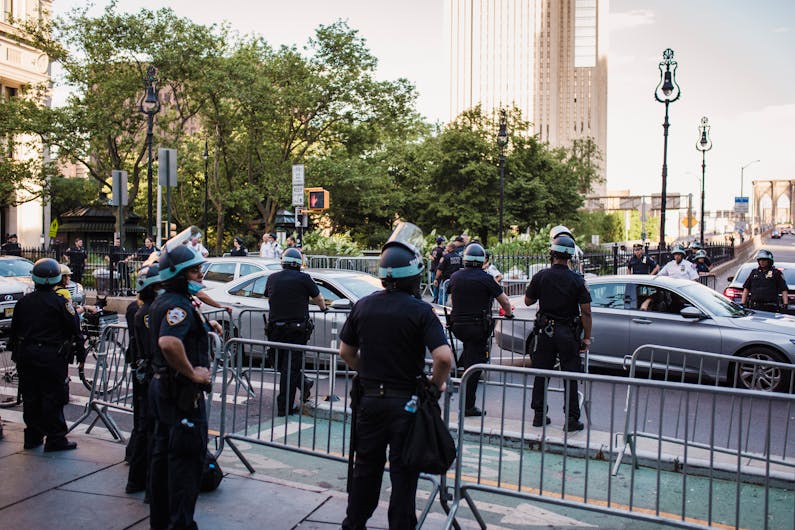
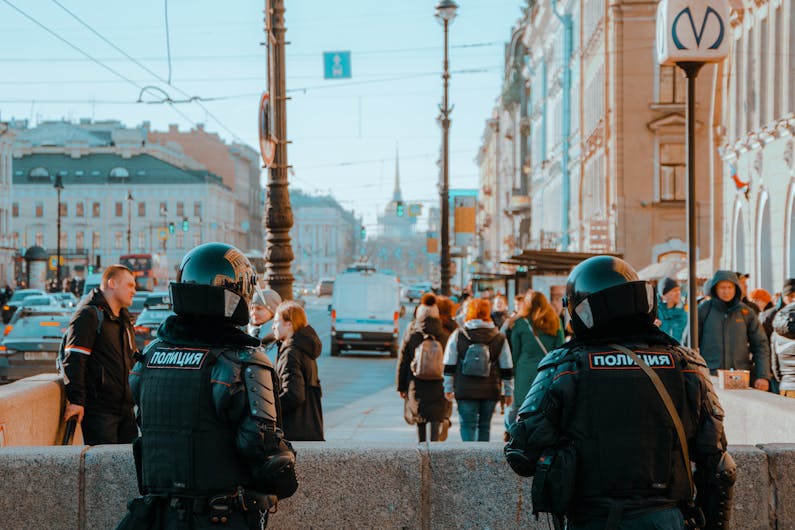
- Policing in the U.S. is often debated due to racial disparities, use of force, and accountability.
- Body cameras and police reform initiatives are increasing transparency.
- Community policing focuses on building trust with neighborhoods.
- Public demand for police accountability has grown after high-profile incidents.
Indigenous Law and Justice
- The U.S. recognizes Native American tribes as sovereign nations.
- Tribal courts handle many local disputes.
- The federal government maintains authority over serious crimes on reservations.
- Efforts are ongoing to address high incarceration rates among Native Americans and respect tribal sovereignty.
Immigration and Border Law
- Immigration remains one of the most hotly debated issues in U.S. law and order.
- The Immigration and Nationality Act (INA) governs visas, asylum, and deportation.
- Agencies like U.S. Immigration and Customs Enforcement (ICE) and Customs and Border Protection (CBP) oversee enforcement.
- Debates continue over border security, refugee admissions, and pathways to citizenship.
Major Challenges Facing U.S. Law and Order (2025)
Gun Violence
- The U.S. has one of the highest gun ownership rates in the world.
- Mass shootings remain a pressing issue, fueling debate over the Second Amendment.
Cybersecurity Threats
- Cybercrime, hacking, and foreign interference in elections pose major risks.
Drug Epidemic
The opioid crisis continues to strain law enforcement and healthcare systems.
Racial Inequality in Justice
- Disparities in arrests, sentencing, and incarceration remain significant.
Terrorism and Domestic Extremism
- Rise in homegrown extremist groups.
- Federal agencies prioritize counter-terrorism while balancing civil liberties.
Mass Incarceration
- The U.S. has one of the highest incarceration rates globally.
- Calls for prison reform and rehabilitation are growing louder.

Reforms and Trends in U.S. Law and Order (2025)
- Police Reform – Increased focus on training, de-escalation, and transparency.
- Criminal Justice Reform – Efforts to reduce mandatory minimum sentences and promote rehabilitation.
- Legalization of Marijuana – More states adopting regulated cannabis industries.
- Digital Transformation – Courts adopting virtual hearings and AI-assisted legal research.
- Gun Control Debate – Ongoing efforts at the state and federal levels.
- Restorative Justice Programs – Expanding alternatives to incarceration.
Careers in Law and Order in the United States
Becoming a Lawyer
- Complete a law degree (JD) from an accredited law school.
- Pass the state bar exam.
- Obtain a license to practice in that jurisdiction.
Careers in Law Enforcement
- Opportunities exist in federal agencies (FBI, DEA, DHS), state police, sheriffs’ departments, and municipal forces.
- Specialized fields include cybercrime, forensics, counter-terrorism, and narcotics enforcement.
Other Professions
- Judges, paralegals, correctional officers, probation officers, mediators, and legal scholars.
Law and Order in American Culture
The U.S. places a high value on freedom, justice, and individual rights.
Law enforcement is often depicted in the media, influencing public perception.
Public debates around policing, gun control, and immigration highlight how deeply law and order affect American society.
Conclusion
Law and order in the United States is a vast and complex system that balances federal and state laws, multiple law enforcement agencies, and a diverse court structure. While the nation prides itself on the rule of law and protection of individual rights, it also faces pressing challenges such as gun violence, racial disparities, cybercrime, and mass incarceration.
As America moves forward in 2025, reforms in policing, justice, and civil rights are shaping a more transparent, fair, and accountable legal system. By understanding the U.S. legal framework, law enforcement structure, and current issues, citizens and observers alike can appreciate the critical role law and order play in preserving democracy and justice.