An Overview of Bankruptcy Lawyer: Guiding You Through Financial Challenges
Financial hardships can strike anyone, from individuals to small businesses and large corporations. When debts become overwhelming, a bankruptcy lawyer can provide essential legal guidance to help navigate the complex world of bankruptcy and debt relief. In this article, we explore the role of a bankruptcy lawyer, the services they provide, types of bankruptcy, and how hiring an expert can protect your financial future.
Who is a Bankruptcy Lawyer?
A bankruptcy lawyer is a legal professional who specializes in bankruptcy law, helping clients manage debt, protect assets, and navigate the legal procedures involved in declaring bankruptcy. They represent individuals, small businesses, and corporations in bankruptcy proceedings, ensuring compliance with federal and state laws.
Unlike general lawyers, bankruptcy attorneys have specialized knowledge in areas such as:
- Debt relief and negotiation
- Insolvency law
- Creditor representation
- Financial restructuring
By leveraging this expertise, they guide clients through the often complex and emotionally charged bankruptcy process.
When Should You Hire a Bankruptcy Lawyer?
Bankruptcy is not a step to be taken lightly. Hiring a bankruptcy lawyer early can make a significant difference in the outcome of your case. You should consider hiring a lawyer if:
- You are struggling with overwhelming debt.
- You are facing foreclosure or repossession.
- Creditors are taking legal action against you.
- You need help filing the appropriate bankruptcy chapter.
- You want to protect assets and minimize financial losses.
Early consultation ensures that you explore all options and select the best strategy for your financial situation.

Services Provided by Bankruptcy Lawyers
Bankruptcy lawyers provide a wide range of services tailored to individual and business needs. Some of the most common services include:
1. Bankruptcy Filing Assistance
Bankruptcy lawyers guide clients in filing for Chapter 7, Chapter 11, or Chapter 13 bankruptcy, ensuring that paperwork is accurate and deadlines are met. They help clients choose the right bankruptcy type based on income, assets, and debt.
2. Debt Relief and Negotiation
Bankruptcy lawyers negotiate with creditors to reduce debt, arrange payment plans, or settle outstanding balances. This can relieve financial stress and prevent further legal action.
3. Asset Protection
A skilled bankruptcy lawyer helps clients protect essential assets, such as homes, vehicles, and retirement funds, while complying with bankruptcy regulations. They advise on exemptions that can minimize asset loss.
4. Creditor Representation
For creditors, bankruptcy lawyers ensure that debt recovery is handled within the legal framework. They represent creditors in bankruptcy proceedings and help secure owed funds.
5. Financial Restructuring
Businesses facing insolvency often need legal guidance to reorganize debts and operations. Bankruptcy lawyers assist companies in restructuring finances to continue operations and avoid liquidation.
6. Legal Advice and Compliance
Bankruptcy law is complex and constantly changing. Bankruptcy lawyers provide expert advice on legal compliance, ensuring clients meet all requirements and deadlines.
Types of Bankruptcy Cases
Bankruptcy lawyers typically handle the following types of cases:
1. Chapter 7 Bankruptcy
Also known as liquidation bankruptcy, Chapter 7 allows individuals or businesses to eliminate most debts. Non-exempt assets may be sold to repay creditors, and remaining eligible debts are discharged.
2. Chapter 11 Bankruptcy
Chapter 11 is primarily used by businesses seeking to reorganize. It allows companies to restructure debts, continue operations, and develop a plan to repay creditors over time.
3. Chapter 13 Bankruptcy
Chapter 13, or wage earner’s bankruptcy, allows individuals with a steady income to repay debts over 3-5 years while keeping property and assets.
4. Other Specialized Cases
Bankruptcy lawyers may also handle cases involving student loans, tax debts, or complex financial disputes, offering tailored solutions for each client.

The Bankruptcy Process: Step by Step
A bankruptcy lawyer guides clients through a multi-step process:
- Initial Consultation: Assess financial situation and explore options.
- Credit Counseling: Mandatory counseling to understand alternatives to bankruptcy.
- Filing Petition: Submit bankruptcy petition with detailed financial information.
- Automatic Stay: Legal protection against creditor actions.
- Meeting of Creditors: Court session to review finances and claims.
- Repayment Plan or Liquidation: Implement Chapter 7, 11, or 13 plan.
- Discharge of Debts: Officially release eligible debts, providing financial relief.
Throughout this process, a bankruptcy lawyer ensures that legal requirements are met and that clients understand each step.
Benefits of Hiring a Bankruptcy Lawyer
Hiring a bankruptcy lawyer offers numerous advantages:
- Expert Guidance: Navigate complex bankruptcy laws effectively.
- Protection of Assets: Minimize loss of property and financial resources.
- Reduced Stress: Professional handling of paperwork and court proceedings.
- Negotiation with Creditors: Achieve favorable settlements and debt reduction.
- Long-Term Financial Planning: Receive advice to rebuild credit and maintain financial stability.
Common Misconceptions About Bankruptcy Lawyers
Many people hesitate to hire a bankruptcy lawyer due to misconceptions:
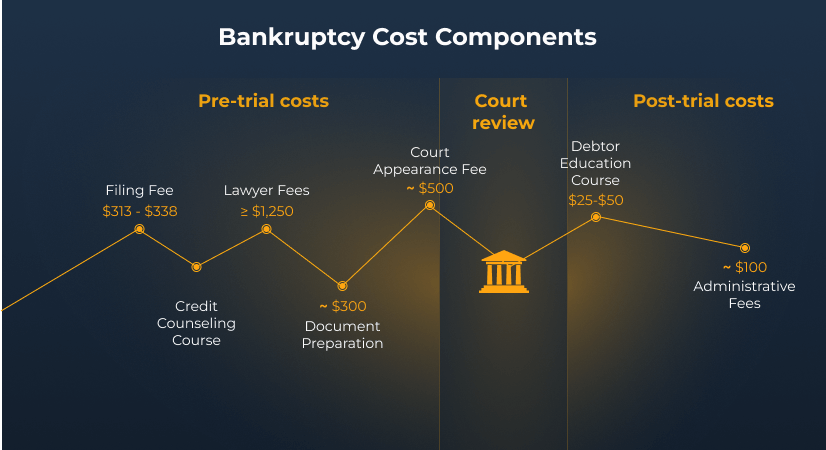
- “Bankruptcy lawyers are expensive.”
- In reality, their fees are often outweighed by debt relief and protection of assets.
- “I will lose everything if I file for bankruptcy.”
- Bankruptcy laws allow protection of essential assets through exemptions.
- “I can handle bankruptcy without a lawyer.”
While possible, errors in paperwork or missteps in court can result in dismissal or denied discharge, making professional guidance invaluable.

How to Choose the Right Bankruptcy Lawyer
Selecting the right bankruptcy lawyer is critical. Consider the following:
- Experience: Look for lawyers with a proven track record in bankruptcy law.
- Reputation: Check client reviews and professional references.
- Specialization: Ensure the lawyer specializes in Chapter 7, 11, and 13 cases.
- Communication: Choose a lawyer who explains the process clearly and is responsive.
- Affordability: Discuss fees upfront to avoid surprises.
Conclusion
A bankruptcy lawyer is more than just a legal representative—they are a guide, advocate, and strategist who helps clients regain financial stability. Whether you are an individual struggling with debt or a business facing insolvency, a skilled bankruptcy lawyer can protect your assets, negotiate with creditors, and navigate the complex legal process.
By hiring an experienced attorney, you ensure that your bankruptcy case is handled efficiently, minimizing stress and maximizing your chances for a fresh financial start.