Facing financial difficulties and considering bankruptcy can be overwhelming. One of the first and most important steps in this process is scheduling a meeting with a bankruptcy lawyer. This initial consultation is critical because it sets the foundation for your case, helps you understand your options, and determines the best course of action to manage your debt.
In this comprehensive guide, we will explore what happens during your first meeting with a bankruptcy lawyer, what information you should prepare, common questions lawyers ask, and FAQs to help you feel prepared and confident.
Why Your First Meeting Matters
Your first meeting with a bankruptcy lawyer serves several important purposes:
- Evaluates your financial situation
- Explains your bankruptcy options
- Discusses costs and fees
- Helps you understand the process and potential outcomes
- Provides professional guidance tailored to your specific circumstances
This meeting is your opportunity to get clear answers about bankruptcy, legal protections, and how it may impact your assets and credit.
Preparing for the First Meeting
Preparation is key to making the most of your consultation. Bringing the right documents and information will save time and allow the lawyer to provide accurate advice.
Financial Documents to Bring
- Income Information
- Pay stubs, tax returns, or proof of self-employment income
- Social Security or pension statements
- Debt Records
- Credit card statements
- Loan statements (auto, personal, student)
- Medical bills or other obligations
- Assets
- Property deeds, car titles, and bank statements
- Retirement accounts or investment statements
- Monthly Expenses
- Rent or mortgage
- Utilities, insurance, groceries, and transportation
- Legal Notices
- Foreclosure or wage garnishment notices
- Collection letters or lawsuits
Bringing these documents allows the lawyer to evaluate your case accurately and determine the type of bankruptcy best suited to your situation.
Questions You Should Be Ready to Answer
Lawyers will ask detailed questions about your finances, including:
- Current income and employment status
- Total amount of debt and types of creditors
- Assets, including real estate, vehicles, and savings
- Past bankruptcy filings, if any
- Pending lawsuits, garnishments, or foreclosure actions
Being honest and thorough ensures the lawyer can provide accurate guidance.
What to Expect During the Meeting
Your first meeting generally follows a structured process designed to evaluate your situation and discuss possible solutions.
1. Overview of Your Financial Situation
The lawyer will ask you to explain your financial history, including debts, income, and assets. This helps them assess:
- Whether bankruptcy is the right option
- The type of bankruptcy that may be appropriate (Chapter 7, Chapter 13, etc.)
- Potential risks and benefits
Example
If you have multiple credit cards, medical bills, and a car loan, the lawyer may evaluate whether Chapter 7 liquidation or a Chapter 13 repayment plan would be more suitable.
2. Explanation of Bankruptcy Options
The lawyer will explain the different types of bankruptcy, including:
- Chapter 7: Liquidation of non-exempt assets to discharge most debts
- Chapter 13: Reorganization of debts into a 3–5 year repayment plan
- Chapter 11 or 12: For business owners, farmers, or complex financial situations
They will also discuss alternatives to bankruptcy, such as debt consolidation or settlement, if applicable.
3. Review of Exemptions and Asset Protection
Bankruptcy law allows certain property to be protected from liquidation. The lawyer will review:
- Federal and state exemptions
- How exemptions apply to your home, vehicle, and personal property
- Options to maximize protection of assets
Example
A homeowner behind on mortgage payments may learn that Chapter 13 can help protect their home while catching up on missed payments.
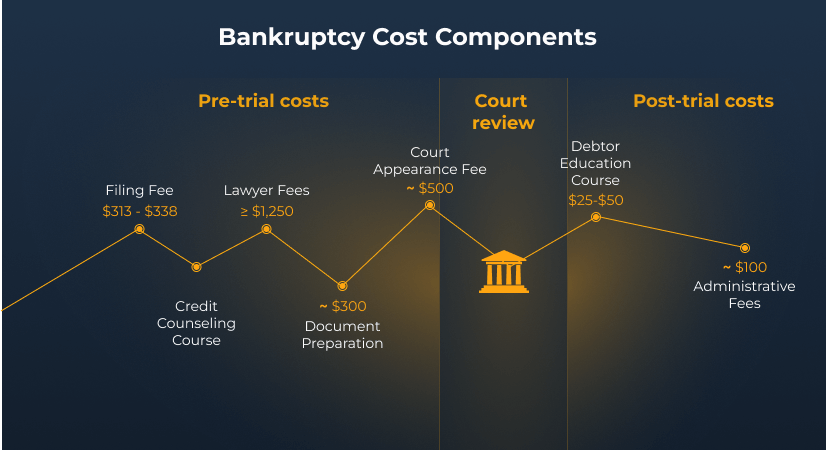
4. Discussion of Costs and Fees
The lawyer will provide an overview of fees, which typically include:
- Legal fees for filing and representation
- Court filing fees ($338 for Chapter 7, $313 for Chapter 13)
- Credit counseling and debtor education fees ($10–$50 each)
They may also discuss payment options or plans to make legal services more affordable.
5. Timeline and Process Overview
The lawyer will explain what to expect after filing:
- Filing the petition and schedules
- Automatic stay and its effects on creditors
- Meeting of creditors (341 meeting)
- Completion of debtor education
- Debt discharge timeline
This helps you understand how long the process may take and what steps are involved.
6. Risk Assessment and Potential Challenges
The lawyer may identify potential risks, such as:
- Non-dischargeable debts (student loans, taxes, child support)
- Foreclosure or wage garnishment complications
- Previous bankruptcy filings
- Litigation or creditor disputes
They will explain strategies to minimize these risks and increase your chances of a successful outcome.
Examples of Common Scenarios Discussed in the First Meeting
Scenario 1: Homeowner Facing Foreclosure
- The client is behind on mortgage payments
- Lawyer discusses Chapter 13 to stop foreclosure permanently
- Explains repayment plan options and potential loan modification
Scenario 2: Employee Facing Wage Garnishment
- The client has multiple creditors garnishing wages
- Lawyer explains automatic stay under Chapter 7 or Chapter 13
- Outlines options to protect income while addressing debts
Scenario 3: Individual With High Credit Card Debt
- The client has no significant assets but owes $25,000
- Lawyer explains Chapter 7 to discharge unsecured debt
- Reviews exemptions and ensures personal property is protected
Questions You Should Ask During Your First Meeting
To make the most of your consultation, consider asking the following:
About the Lawyer’s Experience
- How many bankruptcy cases have you handled?
- Do you specialize in Chapter 7, Chapter 13, or both?
- Have you handled cases similar to mine?
About Costs and Payment
- What is your fee structure?
- Are there additional costs I should be aware of?
- Do you offer payment plans for legal fees?
About the Process
- How long will my case take?
- What documents will you need from me?
- How will you communicate updates about my case?
About Risk and Outcome
- Are there debts that cannot be discharged?
- Will I be able to keep my house or car?
- What are potential obstacles that could delay my case?
Tips for a Successful First Meeting
- Be honest and thorough about your financial situation
- Bring all relevant documents and notices
- Prepare a list of questions and concerns
- Take notes during the meeting
- Ask for clarification if you don’t understand something
FAQs About the First Meeting With a Bankruptcy Lawyer
What is the purpose of the first meeting?
The purpose is to evaluate your financial situation, explain your bankruptcy options, discuss fees, and outline the process.
How long does the first meeting usually last?
Most consultations last 30–60 minutes, but complex cases may require more time.
Should I bring all my financial documents?
Yes, bringing complete and accurate documentation ensures the lawyer can provide precise advice.
Can I get a consultation for free?
Many bankruptcy lawyers offer free or low-cost initial consultations to discuss your options.
Will the lawyer guarantee that my debts will be discharged?
No lawyer can guarantee a specific outcome, but they can guide you to maximize your chances of success.
Can I ask about alternatives to bankruptcy?
Absolutely. A good lawyer will discuss debt consolidation, settlement, and other options if bankruptcy is not the best solution.
Preparing Mentally and Logistically
Bankruptcy is emotionally challenging, so it’s important to:
- Understand the potential impact on credit and finances
- Accept that the process may take several months (Chapter 7) or years (Chapter 13)
- Be ready to provide detailed information about all debts, assets, and income
Benefits of Hiring a Bankruptcy Lawyer After the First Meeting
- Accurate preparation of forms and schedules
- Legal representation at the 341 meeting and in court
- Negotiation with creditors to protect assets
- Guidance on rebuilding credit after bankruptcy
Conclusion
Your first meeting with a bankruptcy lawyer is a crucial step in addressing financial difficulties. It provides clarity about your options, prepares you for the process, and establishes a professional relationship that can help you navigate bankruptcy effectively.
By preparing documents, understanding what to expect, and asking key questions, you can ensure the consultation is productive and informative. Whether you are considering Chapter 7 or Chapter 13, the first meeting is your opportunity to make informed decisions, protect your assets, and set the stage for a fresh financial start.
Understanding the process, asking the right questions, and working with an experienced bankruptcy lawyer can help reduce stress, avoid mistakes, and achieve the best possible outcome for your situation.