How a Bankruptcy Lawyer Can Help You Eliminate Debt Legally. Debt can become overwhelming when bills pile up faster than income, interest keeps growing, and creditors won’t stop calling. For many individuals and families, bankruptcy is a legal and practical solution to regain financial stability. However, bankruptcy laws are complex, and filing without proper guidance can lead to mistakes, delays, or even case dismissal. This is where a bankruptcy lawyer plays a crucial role.
This article explains how a bankruptcy lawyer can help you eliminate debt legally, what types of debt can be discharged, real-life examples, and answers to frequently asked questions. If you are considering bankruptcy or simply want to understand your options, this guide will help you make informed decisions.
Understanding Bankruptcy and Debt Relief
Bankruptcy is a legal process designed to help individuals and businesses eliminate or restructure debt when they can no longer afford to repay it. The goal is not punishment, but a fresh financial start.
What Bankruptcy Really Means
Bankruptcy allows debtors to either:
- Discharge eligible debts completely, or
- Reorganize debts into manageable payments
Once a bankruptcy case is properly filed, most collection actions must stop immediately due to a legal protection called the automatic stay.
Why Bankruptcy Laws Are Complicated
Bankruptcy is governed by federal law, but state laws also affect exemptions, property protection, and eligibility. Filing the wrong type of bankruptcy or making errors in paperwork can result in losing assets or having your case denied.
This complexity makes professional legal help extremely valuable.
What a Bankruptcy Lawyer Does
A bankruptcy lawyer is a licensed attorney who specializes in helping clients navigate bankruptcy laws, court procedures, and debt relief options.
Legal Evaluation of Your Financial Situation
Before filing, a bankruptcy lawyer carefully reviews:
- Your income and expenses
- Total debt amount and types
- Assets such as property, vehicles, and savings
- Credit history and recent financial activity
This evaluation helps determine whether bankruptcy is appropriate and which chapter offers the most protection.
Choosing the Right Type of Bankruptcy
Not all bankruptcies are the same. A lawyer helps you choose the correct option based on your goals and financial status.
Common Bankruptcy Chapters
- Chapter 7 bankruptcy
- Chapter 13 bankruptcy
- Chapter 11 bankruptcy (less common for individuals)
Each chapter has different rules, benefits, and consequences.
How a Bankruptcy Lawyer Helps You Eliminate Debt
A bankruptcy lawyer does far more than fill out forms. They actively protect your rights and maximize debt relief.
Stopping Creditor Harassment
Once your lawyer files the case, the automatic stay takes effect.
What the Automatic Stay Does
- Stops collection calls and letters
- Halts wage garnishments
- Prevents foreclosure and repossession
- Pauses lawsuits and judgments
A lawyer ensures that creditors follow the law and do not violate your rights.
Identifying Dischargeable Debts
Not all debts are treated the same in bankruptcy.
Debts Often Eliminated Through Bankruptcy
- Credit card debt
- Medical bills
- Personal loans
- Utility arrears
- Certain old tax debts
A bankruptcy lawyer determines which debts qualify for discharge and ensures they are properly included in your case.
Protecting Your Assets
Many people fear losing everything if they file for bankruptcy. In reality, bankruptcy exemptions protect essential property.
Examples of Protected Assets
- Primary residence (homestead exemption)
- One or more vehicles
- Household goods and clothing
- Retirement accounts
- Tools required for work
A lawyer applies the correct exemptions so you keep as much property as legally possible.
Chapter 7 Bankruptcy and the Role of a Lawyer
Chapter 7 bankruptcy is often referred to as liquidation bankruptcy, but most filers keep their exempt assets.
How Chapter 7 Works
- Typically lasts 3 to 6 months
- Eliminates unsecured debts
- Requires passing a means test
How a Lawyer Helps With Chapter 7
- Determines eligibility under the means test
- Prepares and files accurate paperwork
- Communicates with the bankruptcy trustee
- Prevents improper asset liquidation
Example
A person with $40,000 in credit card debt and $15,000 in medical bills qualifies for Chapter 7. A bankruptcy lawyer files the case, applies exemptions correctly, and the debts are fully discharged within four months.
Chapter 13 Bankruptcy and the Role of a Lawyer
Chapter 13 bankruptcy is designed for people with steady income who need time to catch up on debts.
How Chapter 13 Works
- Involves a court-approved repayment plan
- Lasts 3 to 5 years
- Allows you to keep assets while paying debts gradually
How a Lawyer Helps With Chapter 13
- Creates a realistic repayment plan
- Negotiates with creditors
- Ensures plan approval by the court
- Handles plan modifications if income changes
Example
A homeowner behind on mortgage payments faces foreclosure. A bankruptcy lawyer files Chapter 13, stops foreclosure, and restructures missed payments into a manageable monthly plan.
Handling Secured vs Unsecured Debt
Understanding debt categories is essential to effective bankruptcy planning.
Unsecured Debt
Unsecured debt does not require collateral.
Examples include:
- Credit cards
- Medical bills
- Payday loans
These debts are usually discharged in bankruptcy.
Secured Debt
Secured debt is tied to property.
Examples include:
- Mortgages
- Auto loans
A bankruptcy lawyer helps decide whether to:
- Keep the asset and continue payments
- Surrender the asset and eliminate the debt
- Modify payment terms through Chapter 13
Dealing With Tax Debt and Student Loans
Some debts require special handling in bankruptcy.
Tax Debt
Certain tax debts can be discharged if they meet specific conditions related to age, filing status, and assessment dates. A lawyer analyzes your tax history to determine eligibility.
Student Loans
Student loans are generally not discharged, but a bankruptcy lawyer can:
- Assess hardship eligibility
- Help file adversary proceedings
- Explore alternative relief options
Preventing Costly Mistakes
Filing bankruptcy without a lawyer increases the risk of serious errors.
Common Mistakes Without Legal Help
- Failing to list all debts
- Incorrect exemption claims
- Missing deadlines
- Improper asset transfers before filing
These mistakes can result in denial, loss of property, or even allegations of fraud. A lawyer prevents these issues.
Bankruptcy Lawyers and Court Representation
Bankruptcy involves court procedures, trustee meetings, and potential hearings.
The Meeting of Creditors
Your lawyer:
- Prepares you for trustee questions
- Attends the meeting with you
- Handles creditor objections
Handling Objections and Disputes
If a creditor challenges your discharge or repayment plan, your lawyer responds legally and protects your interests.
Long-Term Financial Benefits of Hiring a Bankruptcy Lawyer
Bankruptcy is not just about eliminating debt today. It is about rebuilding tomorrow.
Faster Financial Recovery
With proper legal guidance, your case proceeds smoothly, allowing you to rebuild credit sooner.
Better Credit Rebuilding Strategy
Many bankruptcy lawyers provide guidance on:
- Post-bankruptcy budgeting
- Responsible credit use
- Rebuilding credit scores legally
Cost of Hiring a Bankruptcy Lawyer vs Long-Term Savings
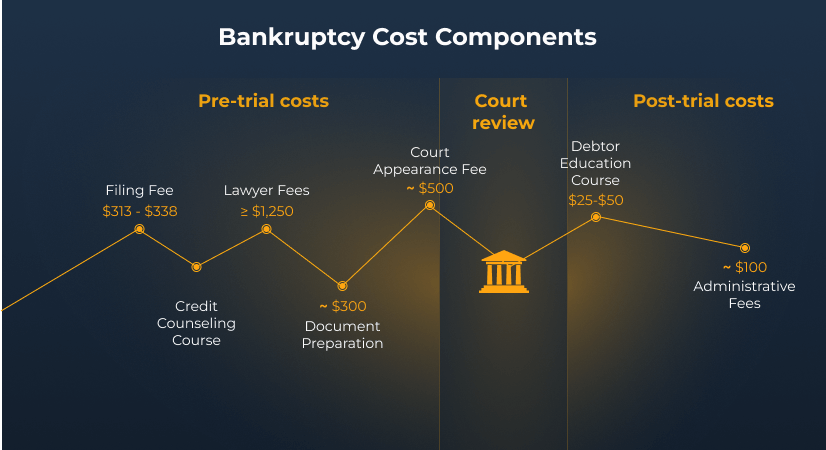
Some people avoid lawyers due to cost concerns, but the long-term savings often outweigh the fees.
What Lawyer Fees Typically Cover
- Case evaluation
- Document preparation
- Court filings
- Trustee communication
- Legal representation
Example of Cost Savings
Paying $1,500 for legal help could eliminate $60,000 in unsecured debt. Without a lawyer, errors could result in dismissed cases and continued financial stress.
Myths About Bankruptcy Lawyers
Many misconceptions prevent people from seeking legal help.
Bankruptcy Means Financial Failure
Bankruptcy is a legal solution, not a personal failure. Many successful individuals have used bankruptcy to recover financially.
You Will Lose Everything
With proper legal guidance, most filers keep essential property.
Bankruptcy Lawyers Encourage Filing
A reputable lawyer evaluates all options, including debt settlement or negotiation, before recommending bankruptcy.
FAQs About Bankruptcy Lawyers and Debt Elimination
Do I really need a bankruptcy lawyer?
While it is possible to file without one, bankruptcy laws are complex. A lawyer greatly increases the chances of success and asset protection.
Can a bankruptcy lawyer stop foreclosure immediately?
Yes. Filing bankruptcy triggers an automatic stay that can stop foreclosure proceedings instantly.
How long does bankruptcy stay on my credit report?
Chapter 7 remains for up to 10 years, while Chapter 13 stays for up to 7 years. However, many people begin rebuilding credit much sooner.
Will bankruptcy eliminate all my debt?
Most unsecured debts are eliminated. Some debts, like recent taxes and student loans, may require additional legal evaluation.
How long does the bankruptcy process take?
Chapter 7 usually takes 3 to 6 months. Chapter 13 lasts 3 to 5 years due to the repayment plan.
When Should You Contact a Bankruptcy Lawyer
You should consider contacting a lawyer if:
- You are using credit to pay credit
- You are facing foreclosure or repossession
- Creditors are suing or garnishing wages
- You feel trapped by debt with no clear solution
Early legal advice often provides more options and better outcomes.
Conclusion: How a Bankruptcy Lawyer Can Help You Eliminate Debt Legally
A bankruptcy lawyer plays a vital role in helping individuals and families eliminate debt legally and responsibly. From stopping creditor harassment to protecting assets and ensuring proper discharge of debts, legal guidance can mean the difference between financial recovery and continued hardship.
Bankruptcy is not about giving up; it is about using the law to regain control of your finances. With the help of an experienced bankruptcy lawyer, you can navigate the process confidently, protect your rights, and build a stronger financial future.
If debt feels overwhelming, seeking professional legal advice may be the first step toward lasting relief and peace of mind.